Architectural asphalt
$7,500 to $16,000National planning reference · USD per described projectInstalled roof reference; confirm tear-off, flashing and repair scope.



The visible roof covering is only part of a replacement. Ask what happens underneath it, at the edges and around every opening before comparing colors or totals.
A roofing decision starts with understanding the condition, not choosing a color. Ask for an explanation of the problem, the area affected and why the proposed repair or replacement addresses it. You should be able to compare the work without climbing onto the roof or diagnosing the assembly yourself.
A repair proposal should identify the defect being addressed and the limits of the work. Ask what evidence supports the diagnosis, what remains untouched and what the roofer expects the repair to achieve. Keep an isolated repair distinct from a promise about the entire roof.
Compare the complete assembly and removal scope, not just the named roof product. Ask which layers, edge details, flashings and penetrations are included and how any concealed damage will be handled after opening.
A different covering needs an assessment of suitability for the existing building. Have the team explain any structural, drainage or detailing changes. Do not assume that a preferred material can simply replace the old one without changing other work.
Published planning references, checked October 16, 2026. These are not WAO quotes. Photographs do not show what a listed budget buys.
Installed roof reference; confirm tear-off, flashing and repair scope.
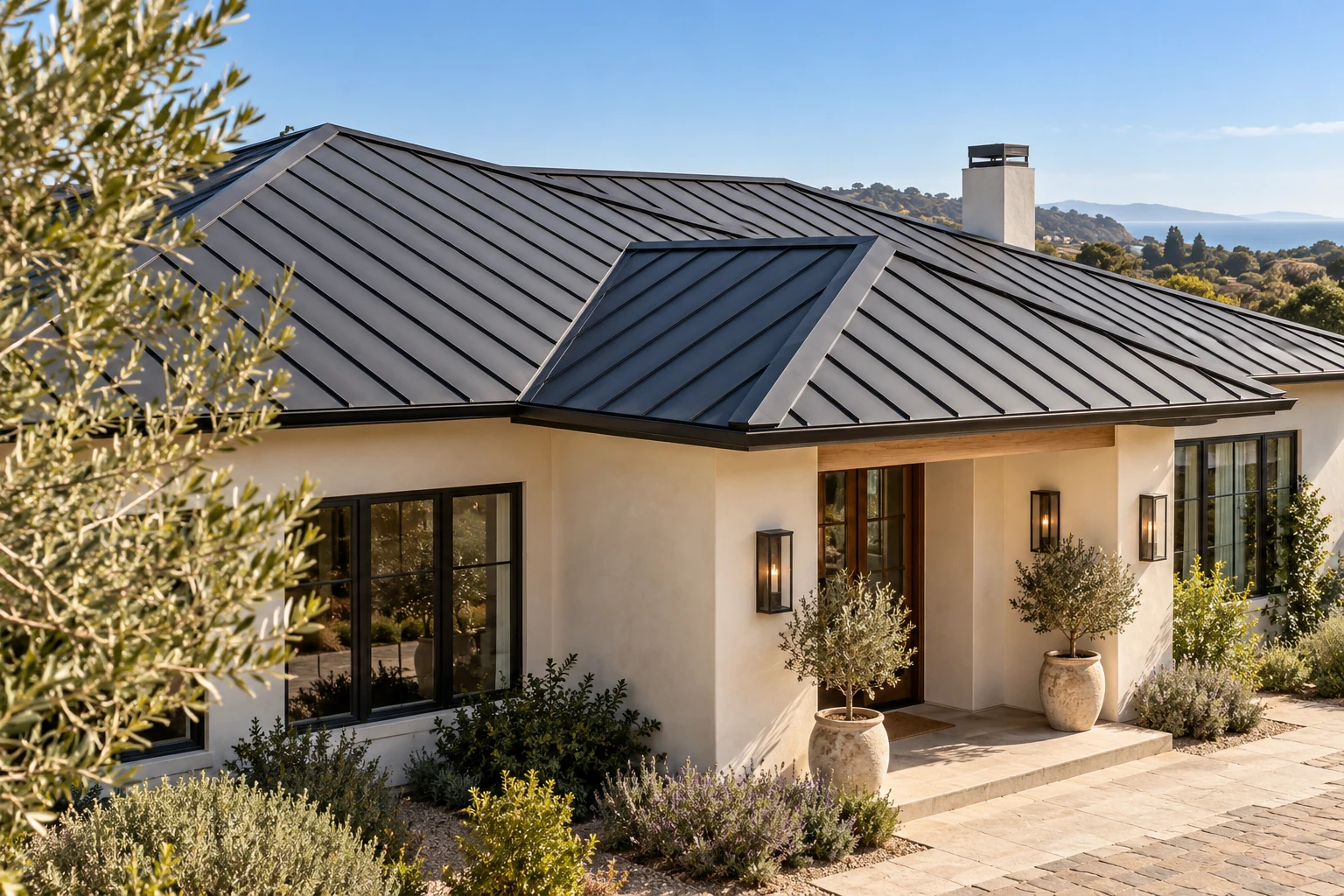
Installed metal roof reference; not siding or a full exterior remodel.
Installed tile reference; structural suitability needs assessment.
These are national roof-replacement planning ranges. Roof area, access and assembly are not standardized here; these are not Los Angeles averages. Repairs and reroofing are different scopes.
Ask for an assessment that distinguishes the visible symptom from the proposed remedy. Keep photographs and the written explanation with the proposal.
Request the named covering, underlayment, flashing, ventilation and edge details. Ask how concealed decking damage will be documented and priced.
Discuss weather protection, noise, pets, driveway access and daily cleanup. Have the roofer identify applicable local approvals for your address.
Give the roofer the history you know: when a mark appeared indoors, where earlier repairs happened and whether the problem repeats in particular conditions. Ask for photographs and a written explanation connecting observations to the proposed remedy. Keep the difference between an observed symptom and a confirmed cause clear. You do not need to climb onto the roof to collect evidence.
When repair and replacement are both proposed, compare their limits. Which area does each address? What remains uncertain? What workmanship and product coverage is offered, and what does it exclude? Request the actual written terms rather than treating a broad warranty headline as protection for every part of the installation.
Discuss where materials, removal equipment and waste will go, and which doors or parking areas must stay available. Identify gardens, outdoor furniture and neighboring surfaces needing protection. Ask how the team manages temporary weather protection and how it will communicate a change in the work sequence. A completion date alone does not explain those arrangements.
Use the final walk-through to review the agreed scope, photographs of work you cannot readily see, cleanup and remaining repairs. Keep product identification, care information and warranty contacts together. If the project includes other equipment or trades, confirm their handoffs rather than assuming the roofer's final visit completes every related task.
Imagine one proposal naming the new covering and another also naming removal, flashing work and a process for damaged roof decking.
Show the same roof area in both proposals. Identify removal, the new assembly, every retained interface and how concealed repairs will be approved and charged.
The missing information is a question, not proof that the lower price excludes the work. Resolve it before comparing totals.
Share leak and repair history and request a professional assessment. Keep photographs, findings and the proposed remedy together without treating a remote guess as a diagnosis.
Use the same measured area and product assumptions. Confirm removal, details, required approvals, retained equipment and the procedure for concealed damage.
Agree delivery, parking, access, weather protection and cleanup. Make household and pet arrangements for the disruption the roofer describes.
Review completion evidence, outstanding repairs and required records. Retain product details and separate manufacturer and workmanship warranty information.
Use these points to identify gaps, not to diagnose the building or certify a contract. If something is not stated, ask for clarification rather than assuming it is included or excluded.
For California contract essentials, consult the CSLB homeowner checklist alongside your project-specific scope.
Bring what you know and leave the rest open. This list helps start a conversation; you do not need a complete specification or a firm budget before asking for help.
If damaged decking is found, how will you show it to me and obtain agreement before additional work?
Ask for the answer in writing and keep it with the same version of the plans and selections.
Tell us whether you are dealing with a leak, repeated repairs or a planned replacement. Share any existing report you already have; there is no need to climb onto the roof for photographs.
Our team will discuss your priorities and confirm whether we can help with the next step before any contractor appointment is arranged.
By We Are One editorial desk. Budget ranges are planning references, not property-specific quotes. Local requirements and project suitability need property-specific confirmation. A guide listing is not a promise of contractor availability.