
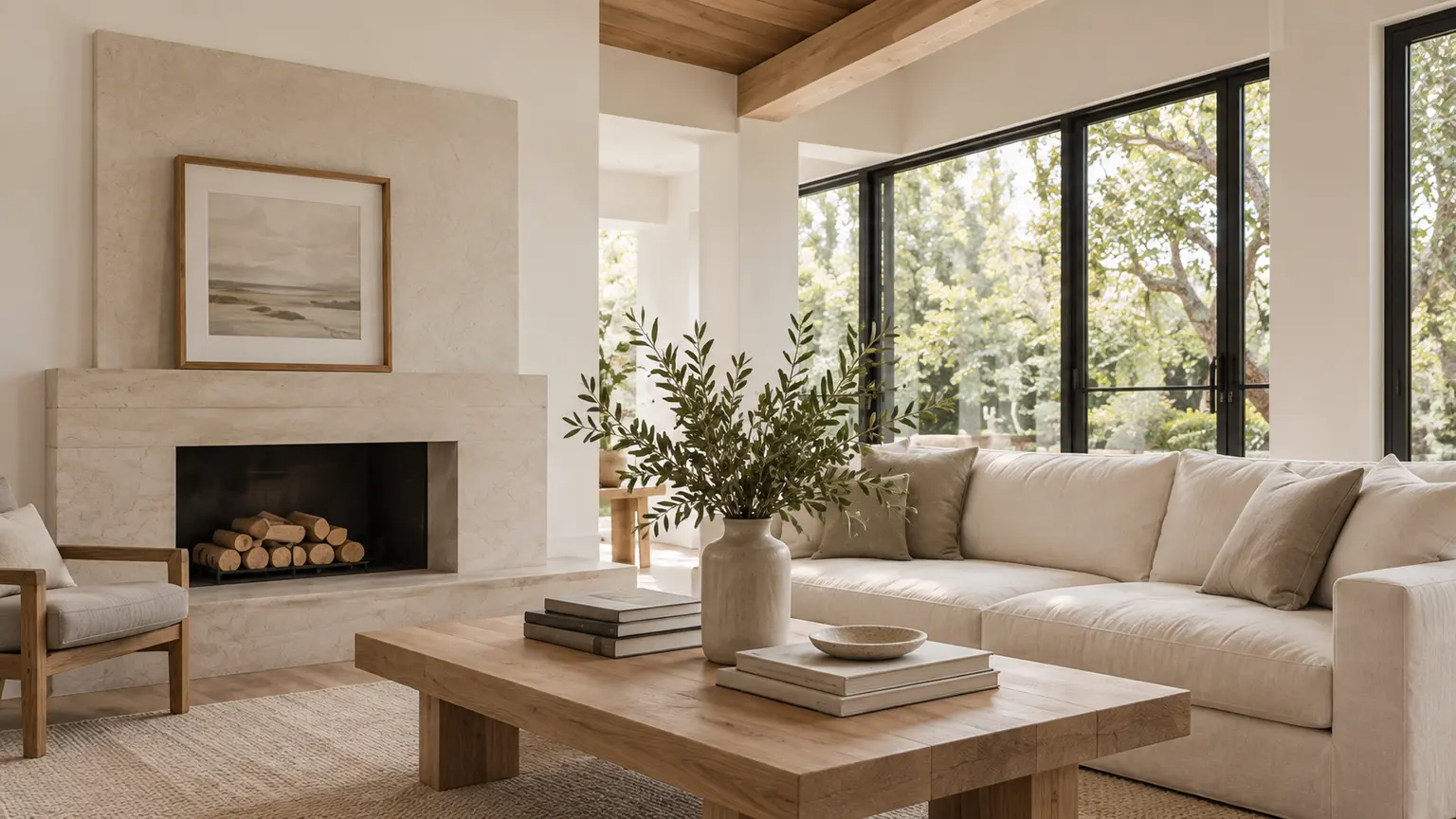
There is a particular kind of comfort in a room that asks nothing of you. A chair in the afternoon light. A well-loved book within reach. The reassuring familiarity of a place that feels like your own.
An original design essay, illustrated with concept interiors.
Begin with the way you live
Before thinking about a new sofa or a different shade of paint, notice what already happens in your home. Where does everyone gather? Which corner catches the morning sun? Where do the things you use every day tend to land? These small observations can become the most useful starting points for a room.
Try moving a favourite chair towards the window. Bring a lamp to the spot where you actually read. Leave a generous path between the doorway and the sofa. A room can begin to feel different before you bring anything new into it.
The most beautiful homes make room for the lives being lived inside them.
Let the materials speak
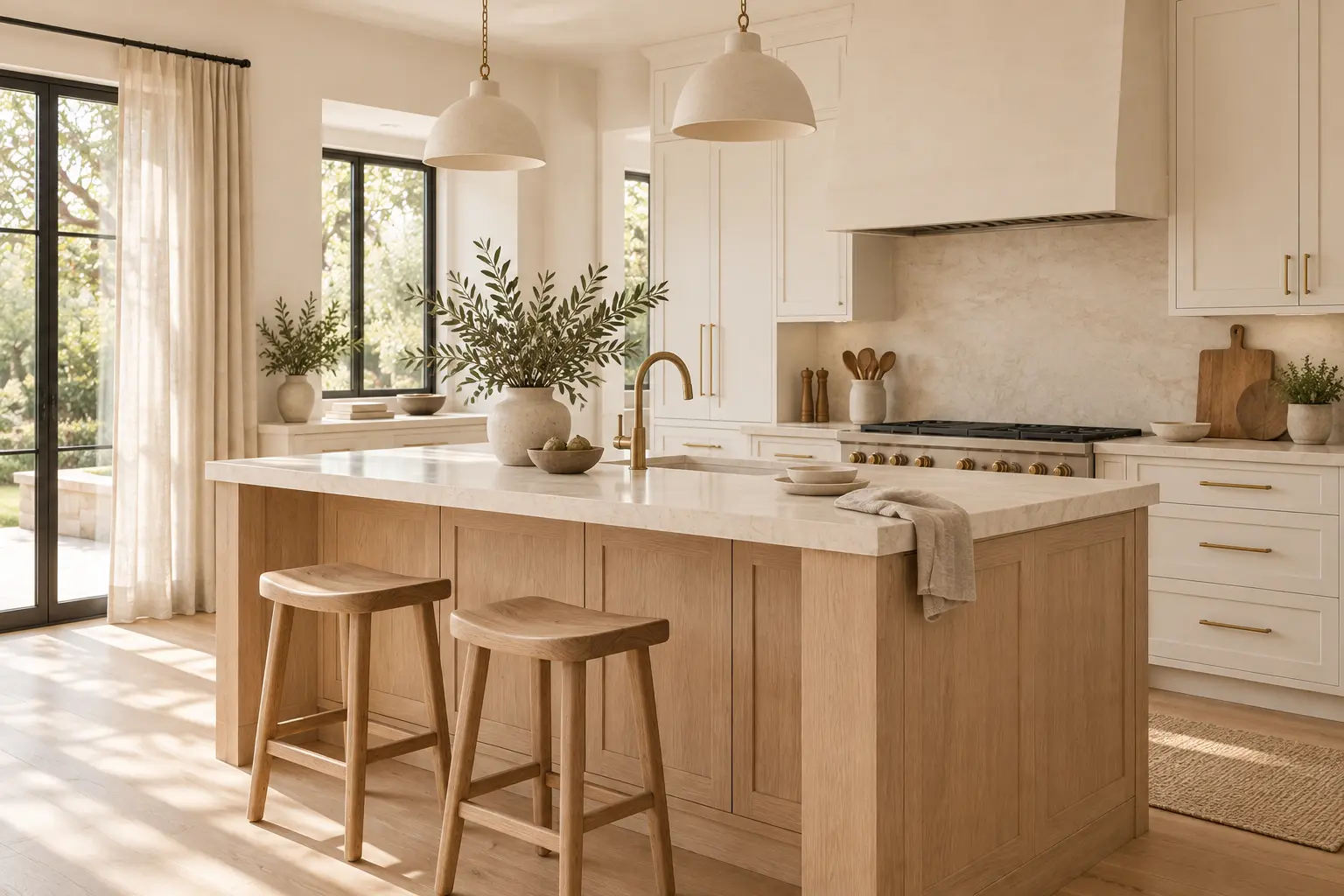
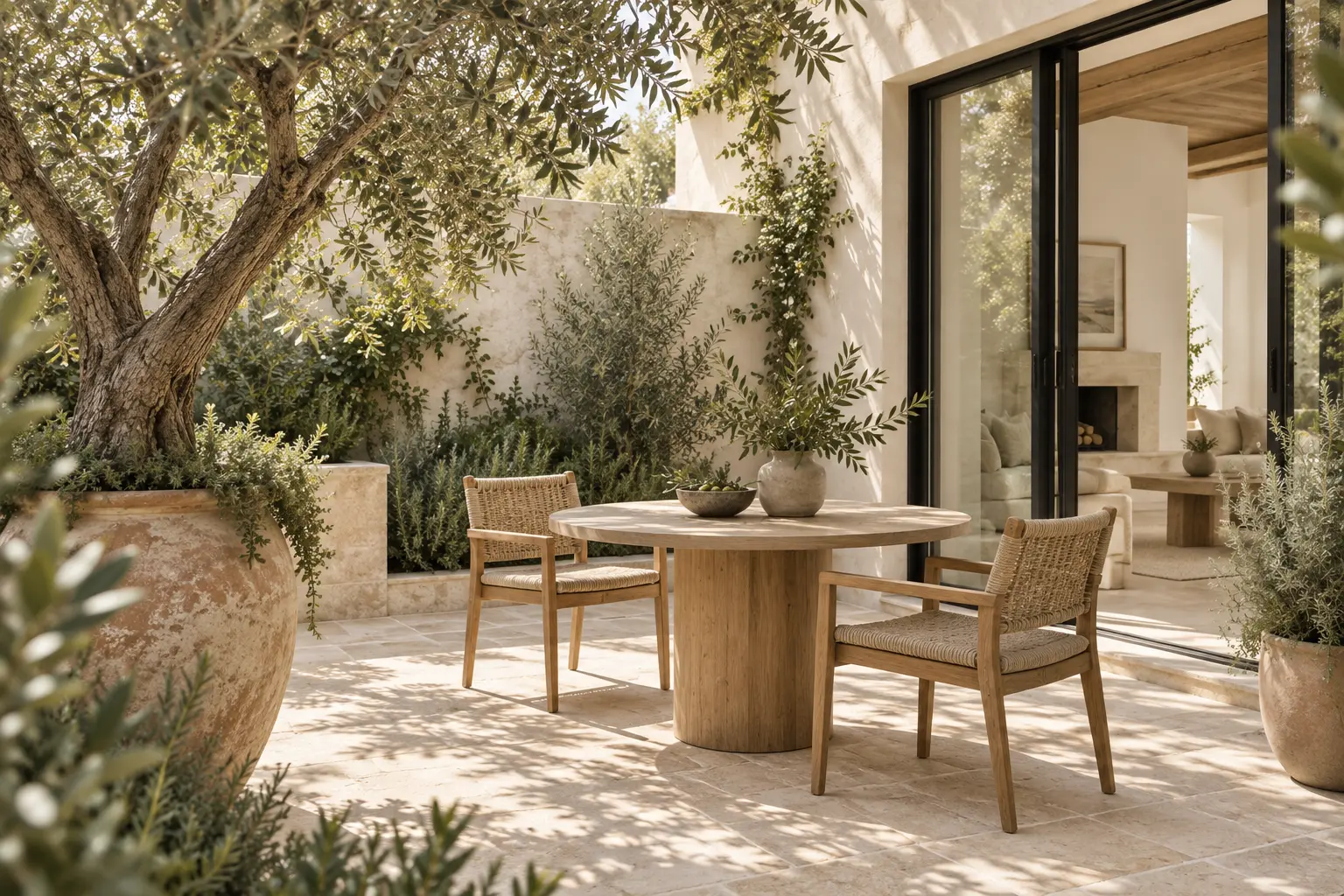
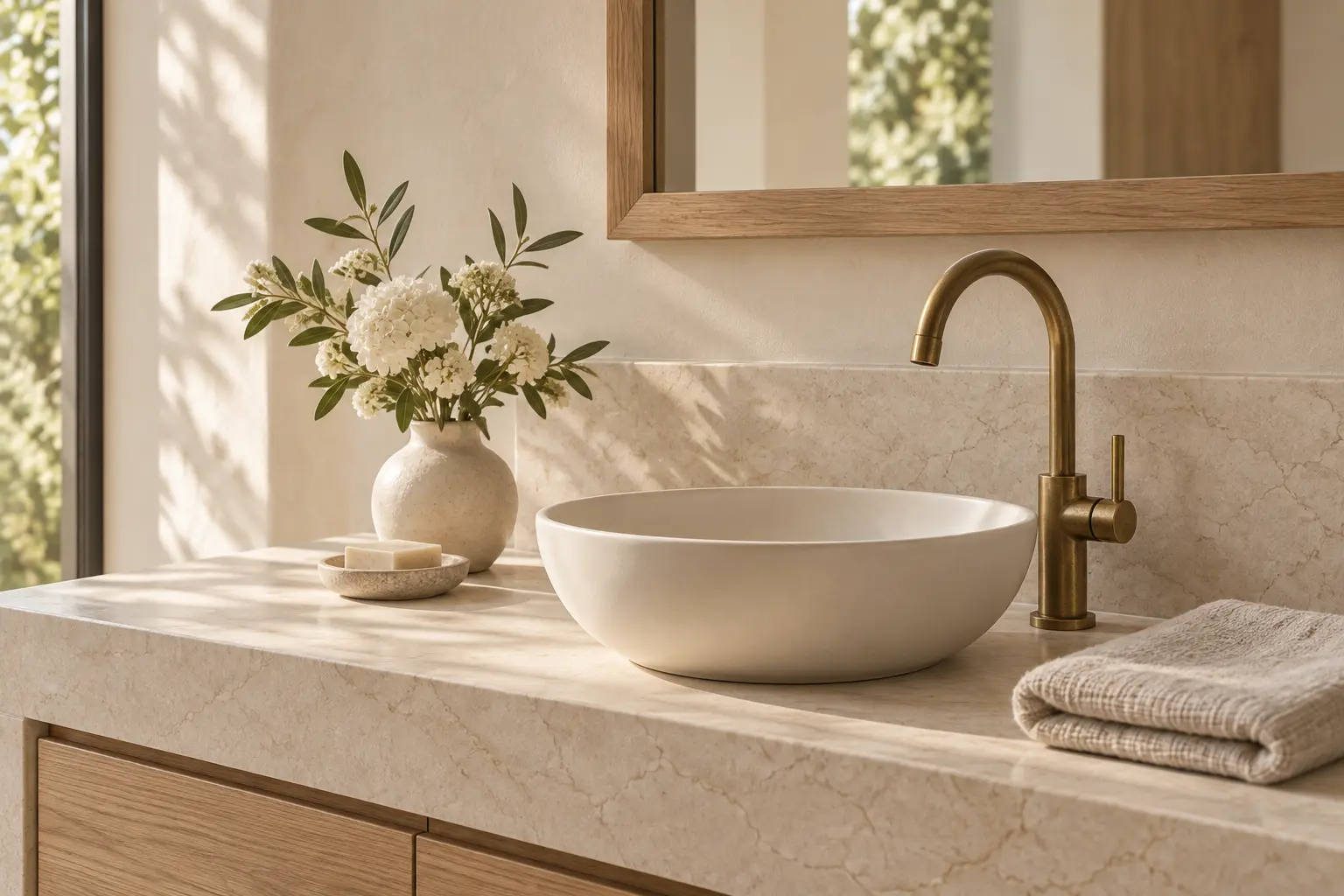
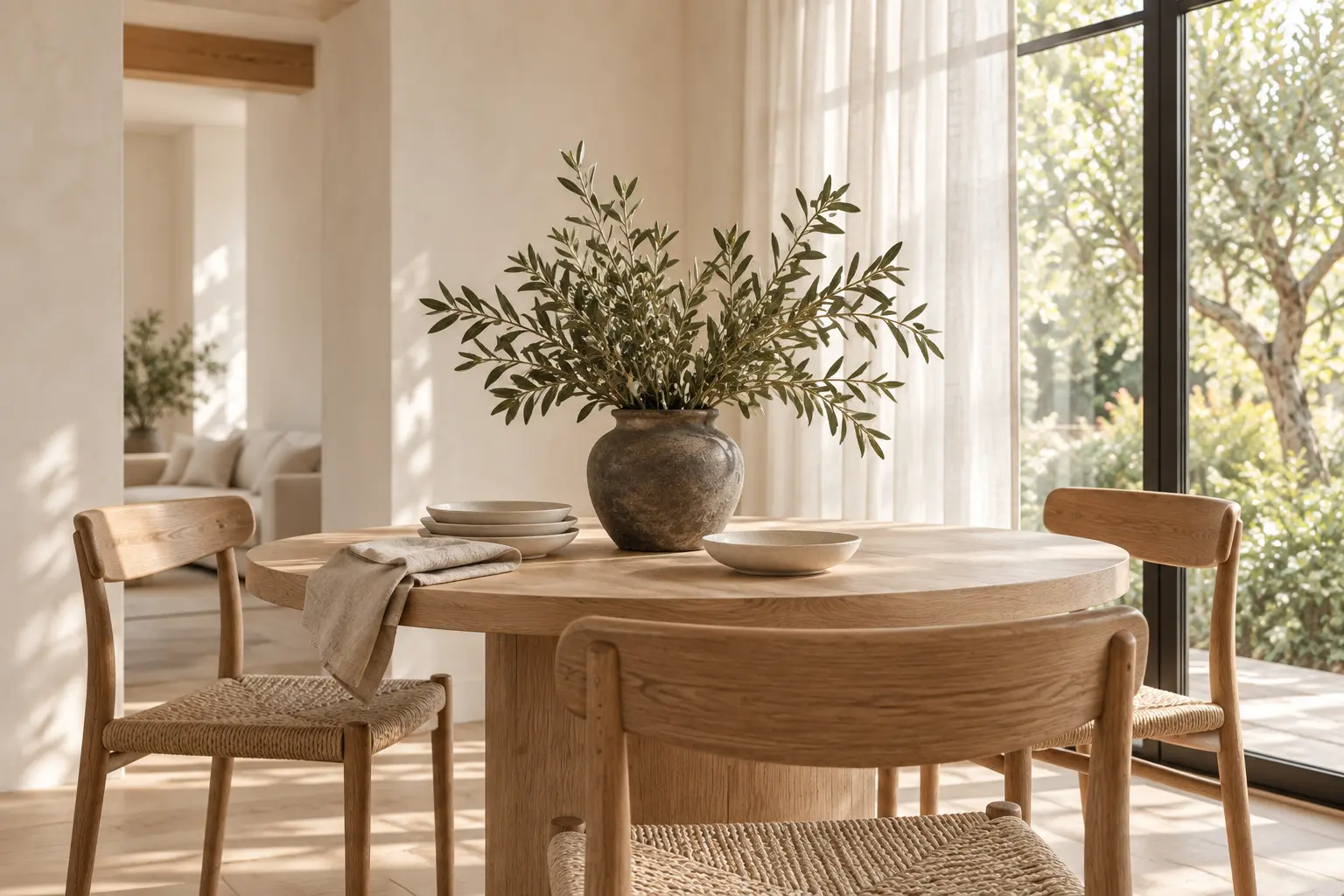
Wood, woven textiles, and a well-chosen ceramic piece bring different textures into a quiet palette. In this design study, warm timber sits alongside soft upholstery and living greenery. The interest comes from the relationship between those surfaces, rather than from any one statement piece.
Consider how a material will feel as well as how it will look. The arm of a chair is something you touch. A rug is somewhere you might sit. Choose finishes for those moments, and leave space for the objects that already carry a memory.
Make room for the everyday
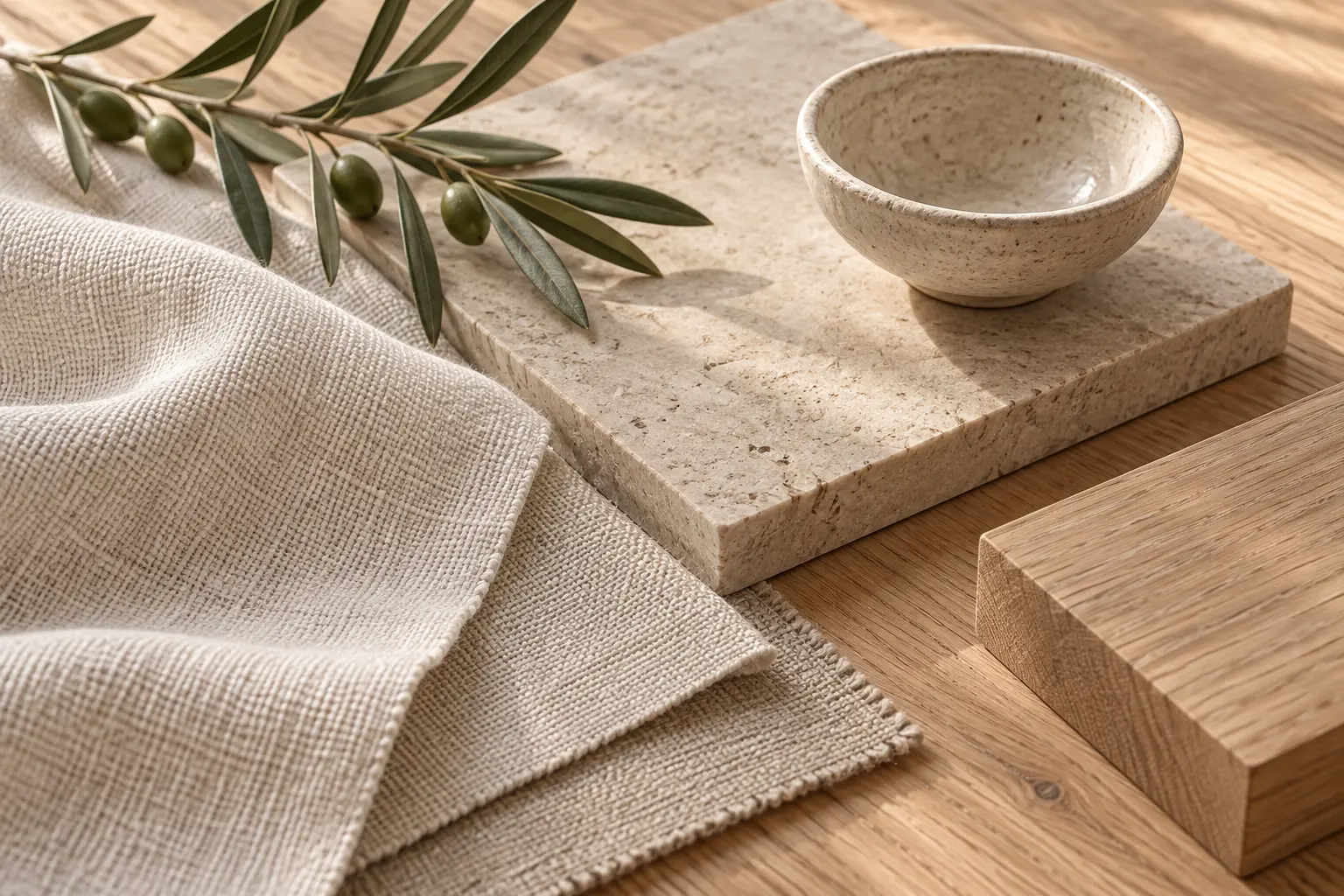
A beautiful room should still welcome a half-finished puzzle, an extra guest, or a cup of tea on a rainy afternoon. Think about where those ordinary moments fit. A small table beside a chair can be more useful than a perfectly styled arrangement across the room.
Let the room evolve. Live with a new arrangement for a few days before deciding what comes next. The aim is a home that feels increasingly like you, one considered choice at a time.
 A little inspiration to take home.